Back to blog

What Is IndieBob? The Indie Developer Growth Platform Explained
·9 min read
What Is IndieBob? The Indie Developer Growth Platform Explained

Most indie developers I know are exceptional at building. The product is tight, the code is clean, the UX is thoughtful. But the moment it's time to grow that product — to get it in front of the right people and keep it there — everything stalls. IndieBob exists to close that gap, and this post explains exactly what it is, how it works, and whether it's the right tool for where you are right now.

IndieBob Is a Growth Platform Built Specifically for Indie Developers

Here is the core problem: indie developers build genuinely useful software, but they ship it into silence. Not because the product is bad — because there is no marketing infrastructure behind it. No content engine. No way to track what is working. No advisor to tell them what to do next.

Generic marketing platforms exist, but they are not built for you. HubSpot assumes you have a marketing team. Semrush assumes you know what to do with 40 dashboard tabs. Mailchimp assumes your funnel is already built. These tools are powerful if you have the context and bandwidth to use them — most solo developers do not.

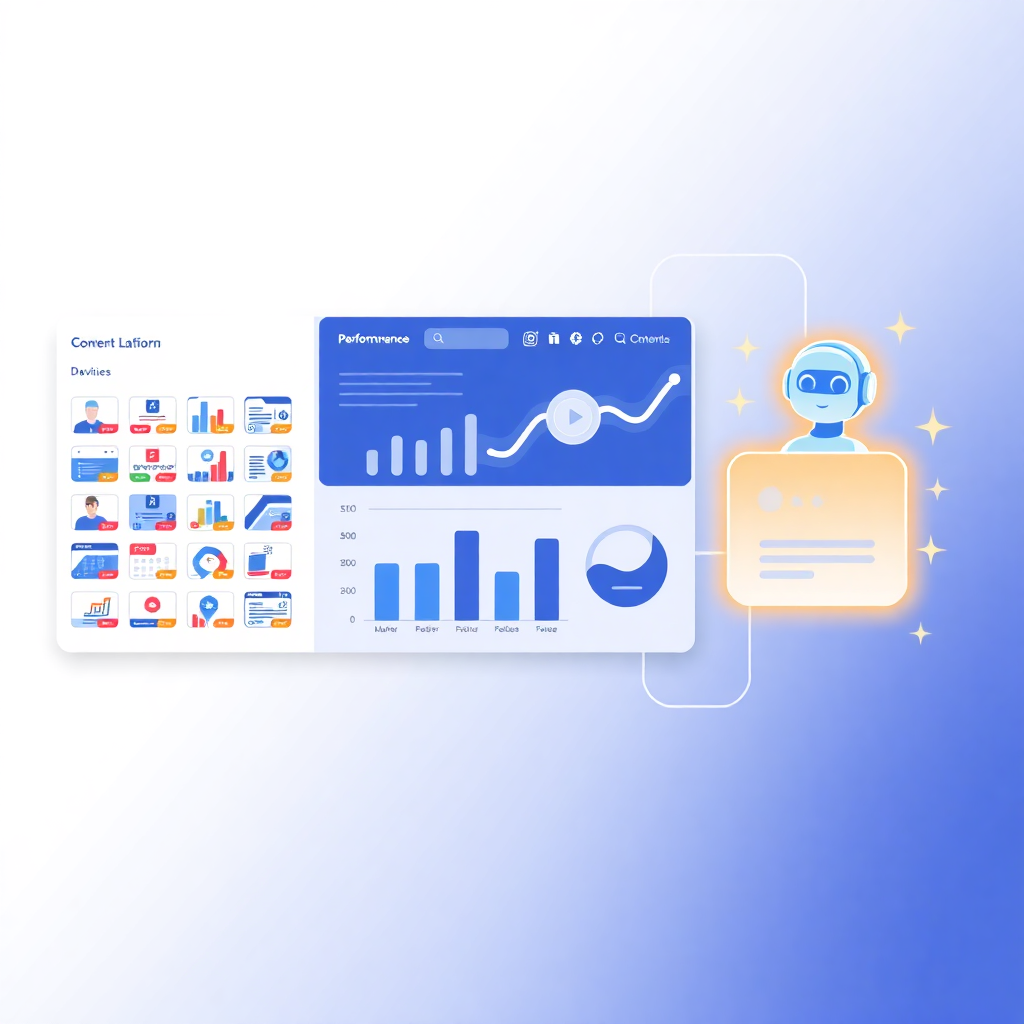
IndieBob is the indie developer marketing platform built for exactly this gap. It combines content creation, analytics tracking, campaign management, and an AI marketing advisor into a single workflow that fits how indie developers actually work. No agencies. No steep learning curve. No bloated feature sets you will never touch.

It is built for solo developers, bootstrapped SaaS founders, and small dev teams of one to three people who are serious about growing their product but are not willing to spend six months setting up a marketing stack before seeing any results.

The Four Core Pillars of IndieBob

Understanding what is IndieBob the indie developer growth platform explained means understanding its four core pillars. Each one solves a specific breakdown point in the indie dev marketing workflow.

Content creation. Most developers know they should be writing content — SEO posts, tutorials, comparison pages — but they do not know where to start or what to prioritize. IndieBob generates structured content briefs tied to real keyword data and traffic potential. You are not writing into a void. Every brief tells you what to target, what angle to take, and what outcome to expect.

Analytics tracking. Shipping content without tracking it is guesswork. IndieBob's analytics layer lets you monitor which posts are driving traffic, which campaigns are converting, and where your funnel is leaking. Everything lives in one dashboard, organized around your project — not around generic marketing metrics that have no bearing on your actual growth.

Campaign management. Running a growth campaign as a solo developer usually means juggling a Google Doc, a spreadsheet, and three browser tabs. IndieBob gives you a structured place to plan, launch, and track campaigns without needing a marketing operations background. You can see what is running, what has been tested, and what needs attention — all in one place.

Bob, the AI advisor. This is where IndieBob separates itself from a standard analytics or content tool. Bob is not a chatbot with a marketing textbook loaded into it. Bob reads your actual project data — your posts, your traffic patterns, your campaign history — and surfaces specific, prioritized recommendations based on what your numbers are telling him. When Bob tells you to write a post, he tells you exactly which post, exactly why, and exactly what keyword gap it closes.

These four pillars are not independent features bolted together. They feed each other. Your analytics inform Bob's recommendations. Bob's recommendations generate content briefs. Your campaigns connect back to the posts you published. The loop compounds over time.

How Bob, the AI Marketing Advisor, Works

The difference between a generic AI tool and Bob is context. Most AI marketing tools work from general best practices. Ask them what you should do next and they will tell you to "post consistently" or "optimize your meta descriptions." That is not advice. That is noise.

Bob works from your data. When you connect your project to IndieBob, Bob starts reading your actual metrics — which posts exist, how much traffic they are getting, which keywords you are ranking for, where your gaps are, and what your highest-leverage next move is based on all of that. He is not benchmarking you against an anonymous industry average. He is looking at your specific situation.

Here is a concrete example of how this works in practice. Suppose you have published eight posts about your SaaS product. Five of them are getting traction on informational keywords. But Bob notices that three high-intent comparison keywords — the kind that convert, not just attract — have no content behind them and relatively low keyword difficulty. Bob flags this as a priority gap and recommends a specific post targeting one of those keywords, explains the estimated traffic potential, and generates a content brief you can act on immediately.

That is the difference between AI marketing advice for developers and a generic recommendation engine. Bob is not telling you what marketing looks like in general. Bob is telling you what your next move should be, ranked by impact, based on what your project's data actually shows.

The AI advisor for developers layer also means Bob can surface things you would not think to look for — content that is ranking on page two and needs a refresh, campaign angles you have not tested, or distribution channels where your topic has low competition and real traffic potential.

Who IndieBob Is Designed For

If you are a solo indie developer shipping a SaaS product, a developer tool, or a niche app — and you are doing it without a marketing budget or a marketing hire — IndieBob is built for you.

The platform is specifically designed for the bootstrapped founder who needs leverage. You are not trying to match the output of a ten-person marketing team. You are trying to punch above your weight class by being more focused, more data-driven, and more consistent than your competition — most of whom are also winging their growth.

IndieBob is also built for developers who are good at building but struggle with the consistency and distribution side of content marketing for indie devs. Writing one post is not hard. Writing the right post, publishing it with an SEO brief behind it, tracking whether it worked, and knowing what to write next — that is the hard part. That is what IndieBob systematizes.

For teams of two or three, IndieBob removes the need to hire a full-time marketer before you can afford one. You get marketing-grade infrastructure and an AI advisor that tells you exactly where to focus — without the overhead of an agency relationship or a six-month onboarding process.

What IndieBob is not: it is not a tool for funded startups with a growth team already in place, and it is not a tool for developers who want fully automated marketing that runs without their input. Growth still requires your judgment and your voice. IndieBob makes sure that judgment is informed by real data and pointed in the right direction.

Why Generic Marketing Platforms Fall Short for Indie Devs

The tools built for enterprise marketing teams are not neutral for indie developers — they actively work against the indie workflow. They are designed for specialists. A content strategist uses the content module. An analyst uses the reporting module. A campaign manager runs the campaigns. When one person has to do all of those jobs, the abstraction layers collapse into overwhelm.

HubSpot has hundreds of features, most of which require either an agency or a dedicated marketing hire to operate effectively. Semrush is genuinely powerful for SEO, but it surfaces data without telling you what to do with it. Buffer and similar tools schedule content but do not help you figure out what that content should be or whether it is working.

The growth tools for indie developers space has been underserved for a long time. Most platforms require significant upfront setup, ongoing expertise to interpret, and a budget that assumes marketing ROI before you have seen any. For a bootstrapped developer with limited time and no marketing background, the practical result is either paralysis or money spent on tools that sit unused.

IndieBob removes the abstraction layer entirely. The platform speaks developer: data-first, outcome-focused, no corporate marketing jargon, no strategy decks required. You connect your project, you look at what Bob is telling you, and you execute. The feedback loop is tight and the recommendations are specific.

What You Can Do Inside IndieBob Right Now

The practical capabilities inside IndieBob are built around the actions that actually move the needle for early-stage indie products.

You can generate SEO content briefs tied to real keyword data and traffic potential, so every post you write has a reason to exist and a measurable outcome to target. You can track post and campaign performance from a single project dashboard without stitching together data from five different tools. You can ask Bob for a prioritized growth recommendation based on your current metrics and get a specific answer — not a framework, not a generic checklist.

Over time, the content library you build inside IndieBob compounds. SEO content does not decay the way paid ads do. Every post you publish with a solid brief behind it is a long-term traffic asset. IndieBob is built to help you think in that timeframe — shipping content that builds authority and inbound traffic month over month, not just this week's spike.

Getting Started with IndieBob

Onboarding is designed to get you to your first insight fast. You set up your project, connect your data, and Bob runs his first analysis. Within minutes of setup, Bob has reviewed your current content and metrics and surfaced a prioritized recommendation — typically a content gap you can close with one focused post, or a campaign angle worth testing based on what is already working.

The first recommendation is usually the clearest signal that IndieBob is different from what you have tried before. It is not a suggestion to "improve your SEO." It is a specific keyword, a specific post idea, and a specific reason why that move ranks above everything else on Bob's priority list right now.

The core value proposition is simple: ship smarter growth without hiring a marketing team. You bring the product and the domain knowledge. IndieBob brings the infrastructure, the analytics, and an advisor who has read your data and knows what you should do next.

Create a free IndieBob account at indiebob.com and let Bob analyze your project and surface your first growth opportunity.

Share this article

Stay up to date

Get the latest insights on indie software growth, marketing tactics, and building profitable projects.

No spam. Unsubscribe anytime.